Introduction: The First Big Gear Decision
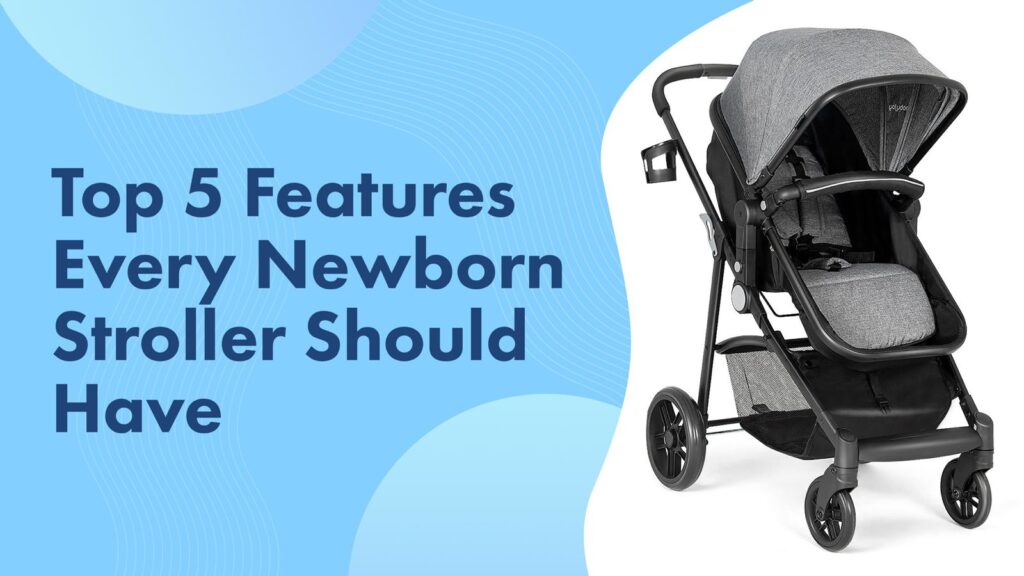
For most new parents, one of the first major purchases isn’t toys or tiny clothes—it’s a stroller for newborn. From hospital trips to neighborhood strolls, this piece of gear quickly becomes a daily companion. But with dozens of models on the market—lightweight frames, travel systems, jogging strollers—the choice can feel overwhelming.
The stakes are high, too. A stroller isn’t just about convenience; it’s about ensuring safety, comfort, and healthy development during your baby’s earliest months. Newborns can’t sit upright yet, so they need special support for their neck and spine. That’s why a stroller designed specifically for newborns is so important.
Parents often ask: What features really matter in a stroller for newborn, and how do I know I’m making the right investment? In this guide, we’ll break down the top five must-have features every newborn stroller should include in 2025—based on safety standards, pediatric advice, and real parent feedback.
And because parenting isn’t just about strollers, we’ll also touch on complementary essentials—like choosing the right feeding chair for infants or incorporating a play mat infant time into your daily routine. Together, these choices create a safer, smoother start for your baby’s journey.
Why Choosing the Right Stroller Matters
At first glance, a stroller might look like just another piece of baby gear—but for new parents, it quickly becomes one of the most-used essentials. From the very first doctor’s visit to afternoon walks in the park, your stroller is there every step of the way. That’s why picking the right one isn’t just about style or budget—it’s about making sure your baby is safe, supported, and comfortable.
Research from pediatric safety organizations shows that thousands of stroller-related injuries occur every year, often because of poor design or lack of proper safety features. A newborn stroller must support your baby’s fragile neck and spine, while also giving parents peace of mind with sturdy construction and a secure harness. Without these safeguards, a stroller can put unnecessary strain on your baby’s development or even increase the risk of accidents.
Beyond safety, the right stroller makes everyday life significantly easier. Parents often underestimate just how much time a baby will spend in their stroller—whether it’s naps on the go, long grocery runs, or family outings. A well-designed stroller grows with your child, supports proper posture, and becomes a reliable tool that blends seamlessly into your daily routine.
Think of it this way: just as you’d carefully choose a feeding chair for infants or a safe play mat infant for floor time, the stroller deserves the same attention. It’s not just a convenience—it’s a developmental partner that carries your baby safely into the world.
The Top 5 Features Every Newborn Stroller Should Have
Feature 1: Full Recline & Newborn-Friendly Support
Newborns aren’t ready to sit upright—their neck muscles are still developing, and they need full-body support at all times. That’s why the ability to fully recline is the number-one feature to look for in a stroller for newborn. A lie-flat seat ensures that your baby’s spine and airways stay in a natural, safe position, reducing the risk of breathing difficulties or posture-related issues.
Many modern strollers come with adjustable recline positions, allowing you to switch seamlessly between nap time and awake time. For newborns, though, the fully flat option is critical—think of it as the stroller version of a baby crib, where proper alignment and comfort are non-negotiable.
Parents often compare stroller recline with the use of a play mat infant setup. Both serve the purpose of giving your baby a safe place to stretch, relax, and develop muscle control. The difference is that while a play mat supports development at home, a reclining stroller offers that same level of safety while you’re on the move.
Investing in a stroller that provides firm padding, proper head support, and a lie-flat recline means you’ll be able to confidently take your newborn out for walks without worrying about their comfort or development.
Feature 2: Safety Harness & Sturdy Build
When it comes to baby gear, safety always comes first—and in a stroller for newborn, the harness system and overall construction are the foundation of protection. The industry gold standard is the five-point safety harness, which secures your baby at the shoulders, waist, and between the legs. This design distributes pressure evenly and prevents your little one from slipping, sliding, or leaning dangerously during strolls.
But a harness is only as good as the stroller’s frame strength. A flimsy or poorly balanced frame can wobble, tip, or even collapse if not engineered to handle real-world use. For newborns—who have little to no muscle control—stability is critical. A sturdy build also ensures durability, so the stroller can handle years of outings without compromising safety.
Parents should also check for compliance with recognized safety certifications, which verify that the stroller has passed rigorous testing. Just as you wouldn’t compromise on a feeding chair for infants, the stroller deserves the same level of scrutiny.
Bottom line: a reliable harness combined with a robust, well-designed frame keeps your baby secure, while also giving parents the confidence to focus on enjoying those first precious outings together.
Feature 3: Smooth Maneuverability & Suspension
Every parent quickly learns that pushing a stroller isn’t always as simple as it looks. Uneven sidewalks, gravel paths, curbs, and even crowded stores can make maneuvering a challenge. That’s why smooth maneuverability and suspension are essential in a stroller for newborn.
High-quality strollers feature swivel wheels for tight turns and larger back wheels for stability. This combination makes it easier to navigate both city streets and suburban parks. More advanced models also include all-wheel suspension, which absorbs shocks from bumps and rough terrain. For a newborn with delicate muscles and joints, this kind of cushioning isn’t just about comfort—it’s about preventing unnecessary jostling that could disrupt naps or strain their tiny bodies.
Parents often compare stroller suspension to the supportive comfort of a play mat infant at home. Just as the mat provides a soft, stable surface for crawling practice, good suspension ensures your baby enjoys a smooth ride outside.
Maneuverability also matters for parents: a stroller that glides effortlessly reduces wrist strain and makes outings less stressful. After all, the goal is to enjoy time with your baby, not wrestle with stubborn wheels.
Feature 4: Adjustable & Parent-Friendly Design
A stroller may be built for your newborn, but let’s face it—parents are the ones pushing it every day. That’s why a parent-friendly design is just as important as infant comfort. Look for strollers that feature adjustable handlebars, so caregivers of different heights can push comfortably without straining their backs or wrists.
Lightweight folding mechanisms are another must-have. Imagine carrying your stroller up stairs, loading it into a car, or managing it while holding your baby—every second of saved effort counts. Modern designs now offer one-hand folding systems, making the process quick and manageable even when juggling multiple tasks.
This ergonomic focus mirrors what you’d want in a feeding chair for infants—both need to provide comfort for baby and convenience for parents. When gear is thoughtfully designed, daily routines become smoother, freeing up more energy for bonding moments instead of logistical struggles.
Additional parent-friendly features, such as cup holders, diaper bag hooks, and adjustable canopies, enhance usability and reduce stress. These small touches may seem secondary, but in the fast-paced reality of parenting, they can transform a stroller from just “functional” to truly family-friendly.
Feature 5: Storage & Extra Features
Newborns may be tiny, but the amount of gear they require on outings is anything but small. From diapers and bottles to blankets, toys, and spare clothes, parents often find themselves carrying a mini luggage set every time they leave the house. That’s why a stroller for newborn with ample storage space is a game-changer.
Look for strollers with a large under-seat basket, ideally one that can hold a diaper bag plus a few extras without making the stroller unstable. Easy access is key—you don’t want to wrestle with zippers or struggle to reach essentials while your baby needs attention.
Beyond storage, modern strollers in 2025 are loaded with extra features designed for convenience. Sun canopies with UV protection, rain covers, snack trays, and even built-in cup holders all add to the ease of daily use. These aren’t just “nice-to-haves”—they help parents stay organized and reduce stress during outings.
Think of these features as the mobile equivalent of a play mat infant at home: just as a play mat creates a safe, practical environment indoors, a stroller with storage and extras creates a hassle-free setup outdoors. Together, they support smoother, happier family routines.
Other Desirable Features in 2025 Models
While the top five features cover the essentials, today’s parents often look for bonus innovations that make life even easier. Stroller brands in 2025 are responding with advanced designs that go beyond the basics, blending safety, convenience, and sustainability.
One standout trend is modular and travel system compatibility. These strollers allow you to attach infant car seats or bassinets directly to the frame, creating a seamless transition from car to stroller without disturbing your baby’s sleep. For families on the go, this flexibility eliminates the need for multiple pieces of gear and makes travel significantly smoother.
Another growing priority is eco-friendly materials. More manufacturers are now offering strollers made from recycled fabrics, non-toxic dyes, and responsibly sourced components. For eco-conscious parents, this shift means they can choose gear that’s not only safe for their baby but also gentle on the planet.
Convertible designs are also in high demand. Many strollers now “grow” with your child, converting from a stroller for newborn into a toddler-friendly model with just a few adjustments. This kind of long-term value appeals to parents who want an investment that lasts beyond the first year.
Finally, modern strollers are embracing tech integrations—from hands-free braking systems to built-in phone chargers. While not essential, these smart features add convenience for digitally connected parents who appreciate innovation.
Together, these extras highlight how stroller shopping in 2025 isn’t just about finding something safe—it’s about choosing a product that fits your family’s lifestyle, values, and future needs.
How to Compare Strollers Before Buying
With so many stroller models on the market in 2025, parents often feel overwhelmed by the sheer number of choices. The key is to approach the decision systematically, using a comparison checklist to evaluate each option. This ensures you’re not swayed by flashy extras while overlooking the essentials.
Start with safety. Check for a sturdy frame, five-point harness, and certifications that confirm the stroller has passed international safety standards. Next, evaluate comfort—both for your baby (padded recline, smooth suspension) and for you (adjustable handles, easy folding).
Durability is another major factor. A stroller for newborn should feel solid, not flimsy, and should be able to withstand daily use for years. Storage capacity is equally important: can the basket hold a diaper bag, groceries, or toys without tipping the stroller?
Price is the final piece of the puzzle. It’s tempting to buy the cheapest option, but a stroller is a long-term investment. Sometimes spending a little more upfront on a reliable model can save you from having to replace it sooner.
Parents should also read real user reviews to get a sense of how the stroller performs in everyday life. Online specs can look great, but firsthand accounts reveal how easy it is to maneuver, fold, and clean.
Whenever possible, test drive the stroller in-store. Push it around corners, fold it with one hand, and check the weight when lifting. These real-world trials often make the decision much clearer.
By following this structured approach, parents can narrow down options quickly and confidently, ensuring they choose a stroller that balances safety, comfort, and convenience.
hese extras highlight how stroller shopping in 2025 isn’t just about finding something safe—it’s about choosing a product that fits your family’s lifestyle, values, and future needs.
Alternatives & Complements for a Newborn
While a stroller for newborn is often the first big gear purchase, it isn’t the only tool parents rely on for comfort, mobility, and developmental support. Several alternatives and complementary products can help round out your baby’s daily routine.
At home, a play mat infant provides a safe, soft space for tummy time and early sensory development. Unlike a stroller, which is designed for mobility, a play mat encourages free movement and motor skill growth. Together, these tools balance outdoor exploration with indoor play.
Another valuable option is a baby carrier. Many parents enjoy the close contact of carrying their newborn, especially for shorter trips or situations where a stroller feels bulky. Carriers promote bonding while keeping your hands free, and they complement stroller use by offering flexibility in different settings.
When it comes to feeding, a feeding chair for infants is another essential. While not suitable for newborns right away, these chairs become important as your baby transitions to solids. Pairing this with a stroller helps parents cover both mobility and nutrition needs with equal care.
Ultimately, these alternatives aren’t replacements—they’re companions. Each serves a specific role in supporting your baby’s growth while making parenting a little easier. By combining the right mix of gear, parents can create a well-rounded environment that fosters both safety and development.
Conclusion
Choosing the right stroller for newborn is more than just ticking boxes on a shopping list—it’s about setting the stage for safe, comfortable, and enjoyable family outings. The top five features—full recline support, safety harness, smooth maneuverability, parent-friendly design, and ample storage—form the foundation of what every parent should expect in 2025.
But as we’ve seen, the best strollers go beyond basics. With modular systems, eco-friendly materials, and convertible designs, today’s models adapt not just to your baby’s growth but also to your family’s lifestyle and values.
The key takeaway? Don’t shop by age or price tag alone. Instead, focus on readiness, functionality, and comfort for both you and your baby. A thoughtful investment now ensures every stroll becomes a joyful, stress-free part of your parenting journey.
FAQs: Strollers for Newborns
1. Can a newborn go directly into a stroller?
Yes, but only if the stroller offers a full recline or bassinet option. Newborns cannot sit upright and need flat, supportive positioning to protect their spine and breathing.
2. What’s the safest stroller type for infants?
A stroller for newborn with a five-point harness, sturdy frame, and lie-flat support is safest. Models compatible with car seats or bassinets provide added flexibility.
3. How long can a baby stay in a stroller?
Experts recommend limiting stroller time to 1–2 hours at a stretch. Prolonged use can restrict movement, so balance it with floor play on a play mat infant.
4. Do I need a stroller and a play mat infant?
Yes. A stroller supports safe mobility outdoors, while a play mat encourages natural motor skill development indoors. They complement, not replace, each other.
5. Is a feeding chair for infants necessary at the same stage?
Not immediately. Feeding chairs become useful around 6 months when solids are introduced. Until then, focus on essentials like a stroller and crib.