
Introduction
Few moments in parenthood compare to the excitement of watching your baby take the first steps toward independence. From lying peacefully in a baby crib, to bouncing happily in a stroller for an infant, those early months are filled with incredible milestones. Then suddenly, your little one is rolling across the floor, scooting toward toys, or pulling up against furniture. As a parent, your heart leaps—“Is my baby ready for a walker?”
Baby walkers are among the most debated pieces of baby gear. Some parents swear by them for giving babies a sense of freedom, while others worry about safety. The truth is, both sides are right: walkers can be helpful tools, but only when introduced at the right time. Too early, and they may pose risks; too late, and babies might have already moved beyond needing them.
That’s why understanding readiness signs is so critical. This guide will walk you through five clear developmental signs that indicate your baby may be ready for a walker. We’ll also unpack common mistakes, essential safety tips, and alternatives if your little one isn’t quite there yet.
Like all baby gear—whether it’s a baby crib for safe sleep or a stroller for an infant for outdoor adventures—walkers serve a purpose. Timing and readiness make all the difference.
Why Readiness Matters
Walkers aren’t “magic solutions” for early walking. They are developmental tools meant to complement—not replace—natural movement. And like any tool, their effectiveness depends on readiness.
The Risks of Early Use
Introducing a walker before your baby is ready can cause strain. A baby without strong head, neck, or core control might slump in the seat, lean awkwardly, or compensate with poor posture. Worse, premature walker use can create safety hazards. Babies may move faster than their reflexes allow, leading to falls, collisions, or tumbles down stairs.
The Developmental Connection
On the flip side, introducing a walker at the right stage can encourage healthy motor development. Walkers allow babies to:
- Strengthen leg muscles through supported movement.
- Explore balance and coordination while seated or standing.
- Build confidence by moving short distances independently.
It’s similar to how a stroller for an infant supports safe exploration outdoors, or how a baby crib ensures secure rest—each piece of gear plays a role in your baby’s overall growth. But the value comes only when used appropriately.
Readiness Over Age
Parents often ask, “What age should I buy a walker?” The reality: age is less important than developmental milestones. Some babies show readiness at 6 months, others closer to 12 months. Watching for signs matters more than watching the calendar.
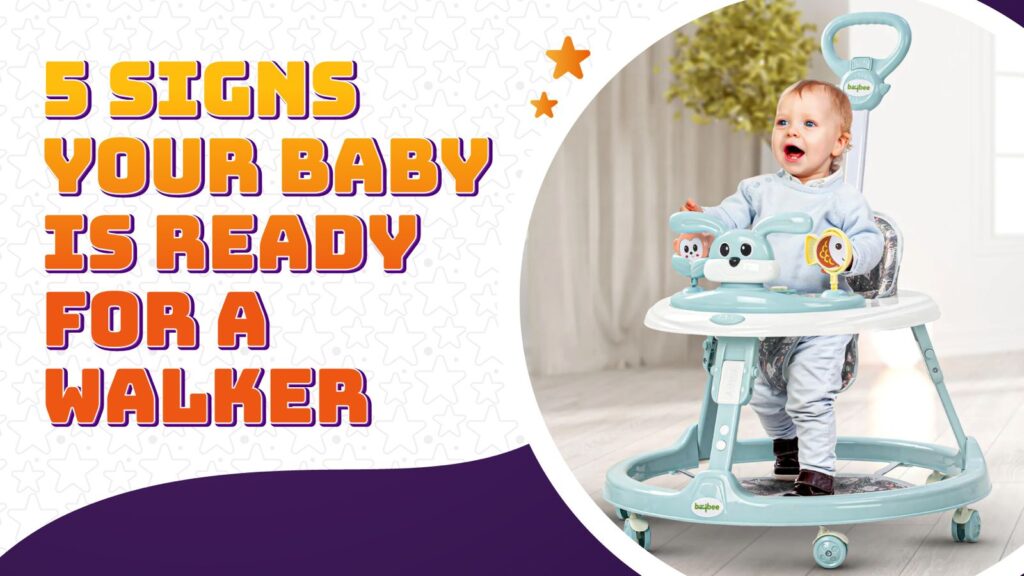
The 5 Signs Your Baby is Ready for a Walker
1. Strong Head & Neck Control
One of the earliest indicators is strong, steady head and neck control. Walkers require babies to sit upright for extended periods. Without stability, they risk slumping or straining.
How parents can check:
- Place your baby in a high chair. Can they hold their head steady without wobbling?
- Sit them in a stroller for an infant. If their head doesn’t droop or tilt, it’s a good sign.
- During tummy time, see if they lift their head confidently for several minutes.
If your baby struggles with these, a walker is premature. Wait until they consistently demonstrate control.
2. Sitting Up Without Support
Independent sitting signals strong core and back muscles. A baby who can sit without leaning on pillows or your arm has the balance needed for a walker.
Why it matters:
- Sitting upright allows babies to engage actively with toys attached to walkers.
- Core strength prevents them from sliding into awkward or unsafe positions.
Practical check:
- Try “play mat practice.” Place your baby on a flat mat with toys just out of reach. Do they stay upright while reaching?
- During baby crib playtime, watch if they sit without propping against rails or toys.
Babies who topple over quickly are still developing balance. A walker at this stage may frustrate them more than help.
3. Attempts at Pulling Up or Standing
This milestone is one of the clearest readiness signals. Babies who grab furniture or your hands to pull themselves up are beginning to bear weight through their legs.
Why it matters:
- Standing attempts show leg muscles are strengthening.
- Pulling up demonstrates curiosity and independence, which walkers help support.
Tip for parents:
Encourage safe practice. Place sturdy furniture within reach or use the rails of a baby crib for supported pull-ups. Once your baby starts enjoying this activity, a walker—especially push-style—can safely channel their efforts.
4. Curiosity & Desire to Explore
Physical strength isn’t the only factor; emotional readiness is just as important. Babies who cry when confined, lean toward toys, or constantly reach for objects beyond their space are showing curiosity and a desire for freedom.
Signs to look for:
- Fussing when confined to a crib or playpen too long.
- Reaching persistently for items across the floor.
- Showing excitement when placed in new environments (like a stroller for an infant during outdoor walks).
A walker can satisfy this craving for exploration—within limits. Remember, it should never replace supervised floor play or crawling time.
5. Stable Leg Movement (Scooting, Crawling, or Supported Standing)
Finally, strong, coordinated leg movements signal your baby is nearly walker-ready. Scooting across a play mat, crawling efficiently, or bouncing while you hold them upright all show their legs are prepared for extra practice.
At-home checks:
- Hold your baby upright with feet touching the floor. Do they push down or bounce?
- Place them on their tummy. Do they push off strongly to move forward?
- Watch during baby crib playtime—do they pull knees under their body or push to a crawl?
Stable leg use ensures that when a walker is introduced, it builds on existing motor skills rather than replacing them.
Common Mistakes Parents Make
Many parents, eager to see progress, accidentally misuse walkers. Here are five common pitfalls:
- Introducing Too Early – Babies without proper head or trunk control slump uncomfortably and risk poor posture.
- Replacing Crawling with Walkers – Crawling develops bilateral coordination, spatial awareness, and problem-solving. Skipping it can impact long-term development.
- Using Walkers as Babysitters – Walkers buy a few minutes of parent relief, but they’re not substitutes for supervision. Babies can move quickly into unsafe zones.
- Overlooking Other Gear – Relying on walkers while skipping essentials is a mistake. A baby crib is crucial for safe sleep, while a stroller for an infant supports safe outdoor activity. Walkers serve a limited, specific role.
- Ignoring Environment Prep – Uneven flooring, cluttered paths, and unblocked stairs make walkers dangerous. A safe setup is as important as readiness signs.
Tip: Balance walker use with natural exploration. For every 10 minutes in a walker, offer 20 minutes of crawling or floor play.
How to Choose the Right Baby Walker
Not all baby walkers are created equal, and the right choice can make the difference between safe fun and unnecessary risk. Parents usually encounter two main types of walkers: seated walkers and push walkers.
- Seated walkers come with a supportive seat where your baby can rest while using their feet to move around. These are best for younger babies who are just beginning to experiment with mobility but already have solid head and neck control. Look for models with wide, sturdy bases that reduce the chance of tipping over.
- Push walkers, on the other hand, are better for babies who are already pulling themselves up and experimenting with standing. These encourage balance, strength, and natural walking motion.
When shopping, check for features such as:
- Adjustable height settings so the walker grows with your baby.
- Anti-slip pads or speed control wheels for safer use on smooth floors.
- Interactive play panels that make walker time engaging without overstimulation.
Avoid walkers without safety certifications or those with a flimsy build. Remember, a good walker isn’t just about entertainment — it’s about supporting safe development. Choosing the right one ensures your baby can explore while you enjoy peace of mind.
Safety Considerations before starting
Safety should always come first. Even if your baby checks all readiness boxes, walkers require thoughtful precautions.
Choosing the Right Walker
- Seated Walkers: Great for beginners who are sitting independently but not yet pulling up.
- Push Walkers: Ideal once your baby pulls to stand and enjoys cruising along furniture.
Baby-Proofing Your Space
- Install gates at stairs and doorways.
- Remove sharp-cornered furniture from walker zones.
- Secure rugs to prevent slipping.
Time Limits
Limit walker use to 10–15 minutes per session. Extended use can tire babies and reduce motivation for crawling or cruising.
Constant Supervision
No walker is “hands-free.” Stay within arm’s reach at all times. Remember: babies can roll into hazards faster than you think.
Floor Surfaces
Always use walkers on smooth, flat surfaces. Avoid carpets, stairs, and outdoor terrain.
Check for Safety Standards
Look for walkers that meet updated safety regulations, including anti-tip designs and wide bases.
When treated as a supervised practice tool—not a babysitter—walkers can be enriching and safe.
Integrating a Baby Walker Into Daily Routine
Introducing a baby walker works best when it becomes part of your child’s balanced daily routine. Instead of relying on it as the main source of activity, treat walker time as one of several play opportunities.
For example, start with 10–15 minutes in the walker, preferably after a nap when your baby is alert and curious. Follow it with floor time on a play mat to encourage crawling, rolling, or practicing tummy time. This combination ensures your little one develops a range of motor skills rather than becoming dependent on the walker.
A walker can also fit neatly into natural family rhythms. Place it in a safe zone of the living room while you prepare meals or tidy up — giving your baby supervised independence. Afterward, transition to quiet time in a baby crib or a stroller ride if you’re heading out.
The goal is balance: walker time should be fun, stimulating, and short. When paired with crawling practice, stroller outings, and crib downtime, a walker becomes a useful tool in your baby’s daily learning environment without overshadowing other important developmental stages.
Alternatives If Baby Isn’t Ready Yet
Not every baby is ready for a walker right away, and that’s perfectly okay. Try these safe, developmental alternatives:
- Baby Crib Playtime: Encourage rolling, reaching, and supported sitting in a secure environment. Add crib toys for engagement.
- Play Mats: Offer tummy time, scooting practice, and crawling space. Play mats help build core and arm strength, preparing babies for upright movement.
- Parent-Assisted Standing: Hold your baby under the arms, letting them bear weight safely. This helps muscles adapt gradually.
- Stroller for an Infant: Outings in a stroller stimulate curiosity, expose babies to new environments, and satisfy their urge for variety.
These options ensure steady progress while you wait for walker readiness signs.
Conclusion
Walkers can be valuable tools, but timing is everything. The key is recognizing that readiness comes from milestones, not months. If your baby shows strong head control, sits independently, attempts standing, expresses curiosity, and demonstrates stable leg movement, they may be ready to try a walker.
Avoid common mistakes, take safety seriously, and balance walker use with natural exploration like crawling and playtime. Think of walkers as one tool among many, alongside essentials like the baby crib and stroller for an infant.
Every baby develops differently, so be patient. Your role is to observe, encourage, and create safe opportunities for growth.
For expert reviews on walkers, strollers, and cribs, explore Dondo’s trusted parenting gear guides.
FAQs
1. What age is best for a baby walker?
There isn’t a “perfect” age. Most babies are ready between 6–12 months, but readiness depends on milestones like head control, sitting, and leg strength—not just age.
2. What happens if I use a baby walker too early?
Early use can strain muscles, encourage poor posture, or even delay crawling. Babies might slump in the seat or move too quickly into unsafe areas, raising accident risks.
3. Do walkers help babies walk faster?
Not necessarily. Walkers encourage exploration and leg strengthening, but they don’t replace crawling, cruising, or natural walking practice. Babies walk when balance, coordination, and confidence align.
4. Should I buy a walker or a stroller first?
A stroller for an infant is essential from day one for safe outings and convenience. Walkers are optional and should be considered only after readiness signs appear.
5. Can baby walkers replace baby cribs/playpens?
No. A baby crib provides safe sleep, while playpens create secure play zones. Walkers are short-term practice tools and should always be supervised.