Introduction
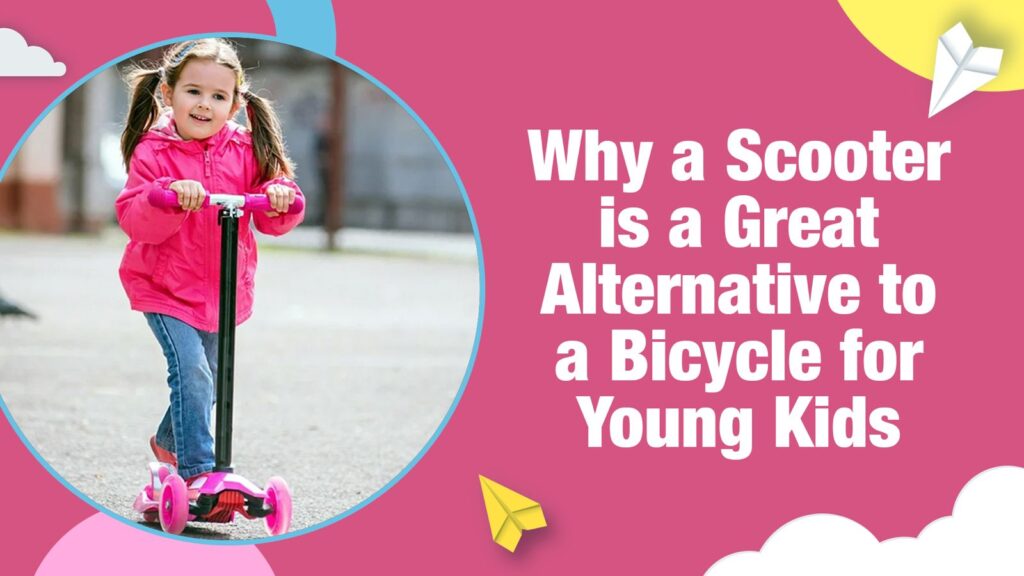
Few milestones excite parents and kids quite like getting their first set of wheels. It’s a rite of passage that signals independence, adventure, and the joy of exploring the world under their own power. Traditionally, bicycles have filled this role, but more parents today are asking: Is a scooter for kids actually the better first choice?
The scooter vs. bicycle debate usually comes down to age-appropriateness, safety, and convenience. Bicycles have their place, especially for older children, but scooters give kids a smoother, more confidence-boosting start. In fact, child development experts point out that scooters help toddlers and preschoolers learn balance and coordination earlier—often around age 2 or 3—long before they’re ready for pedals.
There’s also a practical side. Scooters are more affordable, lighter, and easier for parents to carry or store. If you’ve ever tried juggling a stroller, a car seat for infants, snacks, and a bike on a family outing, you know the value of compact gear. A scooter slides right into modern family life.
And the numbers back it up. Industry reports show scooters are one of the fastest-growing outdoor toys in 2025, with more parents picking them over starter bikes. Why? Because scooters combine safety, affordability, and fun in one neat package.
At Dondo, we specialize in helping parents make smart gear decisions—from finding the best scooter for kids to choosing safe travel essentials like a car seat for infants or an everyday water bottle for infants. In this guide, we’ll break down why scooters might just be the smarter, safer, and more confidence-building alternative to bicycles in 2025.
Scooter vs. Bicycle: The Core Differences
Before you decide, it helps to understand exactly how scooters and bicycles compare across the factors that matter most to parents.
1. Balance & Motor Skills
- Bicycles: Require children to master balance, steering, and pedaling all at once. Even with training wheels, kids often tip, wobble, or feel discouraged. Training wheels can also slow the process of truly learning balance.
- Scooters: Strip away complexity. By kicking with one foot while balancing on the other, kids develop coordination in manageable steps. Many scooters for kids also come in three-wheel designs for extra stability.
2. Age-Appropriateness
- Bicycles: Typically start around age 4–5, depending on the child’s motor skills.
- Scooters: Available for toddlers as young as 18–24 months, making them a great “first wheels” option.
3. Cost, Portability & Storage
- Bicycles: Bulkier, harder to store in apartments, and often more expensive upfront. Transporting them in a car—especially if you’re already dealing with a stroller or car seat for infants—can be a logistical headache.
- Scooters: Foldable, lightweight, and affordable. Easy to bring along to the park, toss into a trunk, or tuck into a hallway closet.
4. Safety Considerations
- Bicycles: Higher speeds mean harder falls. Scraped knees and even broken bones are common when kids start biking too young.
- Scooters: Lower deck and slower speed create a gentler learning curve. Kids feel safer and more in control.
A quick comparison for parents:
| Feature | Scooter for Kids | Bicycle for Kids |
| Starting Age | 2–3 years | 4–5 years |
| Balance Requirement | Low–Medium | High |
| Speed & Safety | Slower, safer | Faster, riskier |
| Portability | Lightweight, foldable | Heavy, bulky |
| Cost | Affordable | Higher |
Why Scooters Are Great for Young Kids
Scooters aren’t just “easier than bikes.” They come with a list of benefits that directly support child development and everyday family life.
1. Easier Balance & Confidence Building
One of the biggest hurdles kids face with a bicycle is frustration. Pedals, chains, and balance all at once can be overwhelming. Scooters simplify the process. By letting children practice balance gradually, scooters turn those wobbly first rides into confidence-boosting successes.
Parents often report that a child who was terrified of falling off a bike takes off with excitement on a scooter within minutes. That confidence then carries over to bigger challenges later, like transitioning to a bicycle.
Imagine a three-year-old riding confidently through the park while their parent beams with pride—no tears, no scraped knees, just joy. That’s the power of starting with a scooter.
2. Safer Learning Curve
Safety is always the first concern. A scooter’s lower speed and lower center of gravity reduce the risk of serious falls. Tumbles happen, but they’re usually minor scrapes instead of the harder crashes common with bicycles.
This “gentle introduction” makes scooters an excellent choice for cautious kids—or cautious parents. Many children who start with scooters build road sense and balance earlier, making the leap to a bike much smoother later.
3. Portability & Convenience for Parents
Let’s be real: parenting involves carrying a lot of stuff. Between strollers, snacks, diaper bags, and that all-important car seat for infants, there’s not much room left for a full-sized bicycle. Scooters solve this problem. They’re light enough for parents to sling over a shoulder and compact enough to store in a hallway closet.
Picture this: you’re taking the family on a weekend trip. The trunk is already packed with luggage, a stroller, and a cooler. A bike won’t fit, but a foldable scooter slides right in. At your destination, your child still gets their wheels—without the logistical headache.
4. Physical Fitness & Outdoor Fun
Scootering is more than play—it’s a form of physical exercise. Pushing off strengthens leg muscles, balancing engages the core, and longer rides improve stamina. Unlike passive screen time, scootering promotes active, outdoor fun.
Pediatricians emphasize that kids need at least 60 minutes of physical activity daily. A scooter for kids is an easy, enjoyable way to meet that goal without it feeling like “exercise.” Plus, scootering gets the whole family outside—whether it’s a quick spin around the block or a full park adventure.
5. Affordability & Versatility
Raising kids is expensive, but scooters ease the burden. Many models come with adjustable handlebars and sturdy frames that grow with your child for years. Compare that to bicycles, which kids often outgrow quickly.
A scooter is also versatile: it works for quick neighborhood rides, trips to the park, or even accompanying parents on short walks. It’s a single purchase that keeps paying off.
Safety Tips for Using a Scooter for Kids
While scooters are generally safer than bicycles, proper precautions make a big difference.
- Protective Gear
- Helmet (must-have, properly fitted).
- Knee and elbow pads.
- Closed-toe shoes with good grip.
- Safe Riding Surfaces
- Stick to sidewalks, playground paths, or driveways.
- Avoid steep hills, gravel, or roads with traffic.
- Parent Supervision
- Stay close, especially for toddlers and preschoolers.
- Teach basic road sense: stopping at driveways, watching for cars.
- Hydration & Comfort
- Kids can get thirsty quickly during play. Bring a child-friendly water bottle for infants or toddlers.
- Plan breaks just as you would during a car trip with a car seat for infants—comfort and safety go hand in hand.
- Seasonal Safety
- In summer, watch out for hot pavements and dehydration.
- In winter, avoid icy surfaces where scooters can slip.
By teaching safety habits early, you’ll set your child up for a lifetime of responsible riding.
Scooter vs. Bicycle: Which is Right for Your Child?
So, should you pick a scooter or a bicycle? The answer depends on your child’s age, readiness, and your family lifestyle.
- Choose a Scooter First If:
- Your child is between 2–5 years old.
- Balance and coordination are still developing.
- You want a safe, confidence-building first step.
- Choose a Bicycle If:
- Your child is 5+ and eager to ride longer distances.
- You have safe bike paths or parks nearby.
- Your child has already mastered balance on a scooter or balance bike.
- Best of Both Worlds:
Many families start with a scooter to build balance and confidence, then transition to a bicycle when their child is ready. Think of it as a natural progression—one doesn’t have to replace the other.
Here’s a simple framework:
- Ages 2–4 → Start with a three-wheel scooter.
- Ages 4–6 → Upgrade to a two-wheel scooter or a balance bike.
- Ages 6+ → Introduce a bicycle.
Alternatives to Scooters & Bicycles
Not every child is scooter- or bike-ready. Here are a few other options:
- Balance Bikes: A stepping stone between scooters and bicycles. No pedals—just balance practice.
- Ride-On Toys: Push cars or foot-powered vehicles for toddlers who aren’t ready for standing balance.
- Safe Outdoor Play Setups: Slides, playhouses, and climbing structures can provide active play without wheels.
- Parent-Assisted Walking Gear: Push walkers or harnesses help toddlers build strength before graduating to scooters.
Each option has its place depending on your child’s developmental stage.
Conclusion
A scooter for kids is more than just a toy—it’s an introduction to independence, balance, and active play. Compared to bicycles, scooters offer a safer, more convenient, and often more affordable first-wheels experience. For young children, scooters aren’t just a fun alternative; they’re a smarter stepping stone toward confidence on two wheels.
At Dondo, we’re here to guide you through every choice—whether it’s picking the right scooter, finding a safe car seat for infants, or choosing a spill-proof water bottle for infants. Because every piece of gear matters when it comes to your child’s safety and happiness.
FAQs
What age is best for a scooter for kids?
Most children are ready for a three-wheel scooter between 2–3 years old. Two-wheel scooters are better for ages 5+.
Is a scooter safer than a bicycle?
Yes, especially for young beginners. Scooters have a lower deck and slower speed, reducing the risk of serious falls.
Should my child learn scooter or bike first?
Scooters are usually the better starting point. They build balance and coordination, making the transition to a bike smoother later.
What safety gear is needed?
A helmet is non-negotiable. Add knee and elbow pads, plus closed shoes.
Can scooters replace bicycles completely?
Not entirely. Scooters are excellent for younger kids, but as children grow, bicycles provide longer-range riding and new challenges. Many families use both.
How do I choose the right scooter size?
Look for adjustable handlebars and a weight rating that will last through several growth stages.
Can scooters be used indoors?
Some small toddler scooters can be used in safe, open indoor spaces, but outdoor play is ideal.
How do I maintain a scooter for kids?
Check wheels regularly for wear, tighten bolts, and clean the deck. A well-maintained scooter lasts longer and rides more safely.
Are scooters safe for city sidewalks?
Yes, as long as children are supervised and understand basic pedestrian rules. Stick to quieter paths whenever possible.
What’s the difference between 3-wheel and 2-wheel scooters?
Three-wheel scooters are designed for toddlers and preschoolers for extra stability. Two-wheel scooters are better for older kids with stronger balance.