Introduction
There’s nothing quite like the thrill (and mess!) of watching your little one take their very first bite of solid food. From the joyous giggles to the inevitable food-smudged high chair tray, this milestone is both exciting and, let’s be honest, a bit chaotic. Enter the feeding chair—your essential ally in transforming those early, adorable mealtime moments into safe, comfortable, and even enjoyable experiences.
A feeding chair (also called a baby high chair) is more than just a spot to sit; it’s designed to support your infant’s posture, encourage self-feeding independence, and help contain the culinary chaos. But with so many models on the market—and so much advice to sift through—parents often feel overwhelmed trying to balance safety, nutrition, ease of cleaning, and baby comfort.
That’s where this guide comes in. Drawing on Dondo’s commitment to safe, brain‑boosting feeding products, we’ll walk you through everything from choosing the ideal feeding chair style to expert tips for first meals. You’ll discover how to create a stress‑free setup that supports your baby’s development while keeping your sanity intact. By the end, you’ll be well‑equipped to turn mealtime into a joyful, nurturing experience for both you and your child.
Understanding Feeding Chairs: What, When, Why
What Is a Feeding Chair?
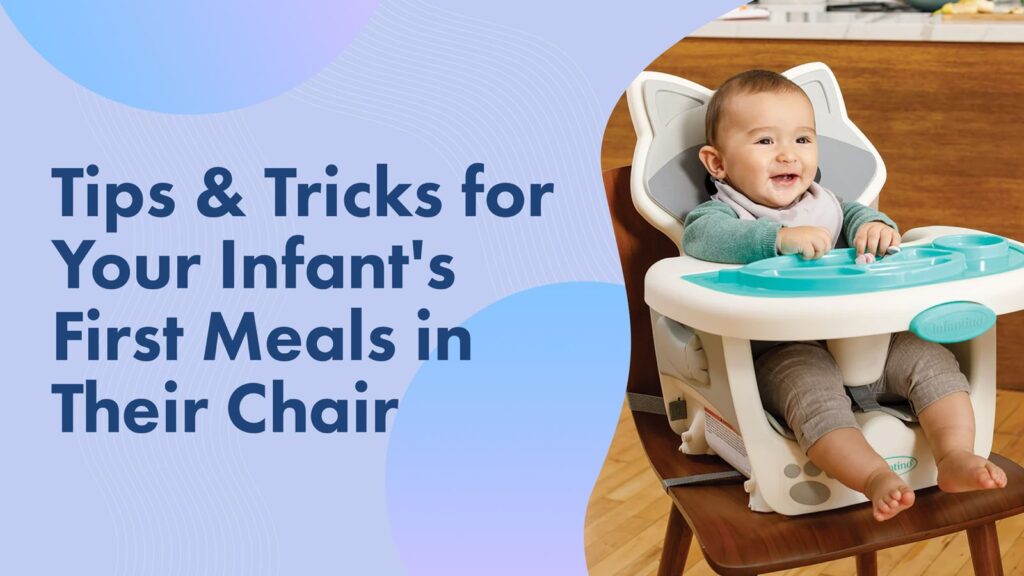
A feeding chair, commonly referred to as a baby high chair, is a specially designed seat with a tray and safety harnesses. It comes in various styles—from full-size high chairs with adjustable heights and reclining backs to minimalist booster seats, portable travel chairs, and hook-on chairs that clip directly onto tables. Each option is tailored to fit different lifestyles and living spaces.
Why Use One Early?
Introducing solids is more than just a feeding milestone—it’s a critical stage of development. A feeding chair promotes good posture, supports your infant’s core muscles, and encourages independence. When seated upright and stable, babies can better control swallowing and explore self-feeding, which boosts fine motor skills. Plus, confining meal mess to the tray makes clean-up easier—and preserves your peace of mind.
When Is Baby Ready?
Most pediatricians recommend starting solid foods around six months, but each child is unique. Look for readiness signs like:
- Sitting up with little to no support
- Demonstrating interest in your food or utensils
- Opening their mouth when food is offered (the “rooting” or “chewing” motion)
- Showing hand-to-mouth coordination
If your baby still lacks head control or keeps pushing food out of the mouth, they may benefit from a few more weeks of pureed food or milk from a milk bottle for new born before introducing solids.
Safety Clarification
It’s vital to understand that car seats, swings, or bouncers are not appropriate for feeding. These are designed for transport or entertainment—not solid meals. Upright posture and firm support are crucial for effective swallowing and safety. Feeding infants in reclined or unstable settings increases the risks of choking and aspiration. Always opt for a properly designed feeding chair once solids begin, ensuring maximum safety and nutritional benefit.
Safety Tips for Using a Feeding Chair
Key Concerns to Watch For
- Falls – Babies are wiggly! A stable base and secure straps are essential.
- Choking hazards – Remain nearby and attentive during meals.
- Posture – Slouching can disrupt digestion and comfort.
Essential Safety Features
- 5‑point harness or sturdy lap belt
- Wide, non‑tip base, preferably with anti-slip feet
- Non-toxic, BPA/Phthalate-free materials
- Adjustable height and recline to support growth and changing textures
Parental Guidelines
- Never leave baby unattended—even a second can make a difference
- Practice proper strapping every time
- Limit distractions (phones or TV off!) so baby can focus on eating
Setup Advice
- Place the chair on a level, stable surface
- Keep away from sharp edges, radiators, or counters
- Ensure the tray is securely locked in place
- Position thoughtfully—a few inches from the table edge and within arm’s reach
Feeding Milestones & Developmental Support
Skills Gained Through Mealtime
- Hand‑eye coordination – reaching, grasping, and lifting food
- Chewing and jaw strength – transitioning from purees to solids
- Independence and self‑confidence – encouraging self‑feeding builds autonomy
Importance of Positioning
Proper posture isn’t just about comfort—it plays a key role in physiology too. An upright sitting position supports optimal digestion, reduces reflux, and helps your baby maintain focus on food and utensils.
Encouraging Interaction
Meal times are prime opportunities for bonding and language development:
- Narrate what’s happening (“Here’s the carrot—crunchy and orange!”)
- Offer choices (“Would you like banana or avocado today?”)
- Smile, cheer, and respond to any effort—whether it’s a mess or a progress sign.
Using feeding time for verbal cues and eye contact boosts early speech patterns. Babies who hear more language during meals often have stronger early communication skills. Simple phrases like, ‘Yum, this is apple!’ reinforce word-object associations.
Types of Feeding Chairs
Feeding chairs come in various styles to suit different spaces, budgets, and family needs. Here’s a breakdown:
1. Traditional High Chairs
Full-sized with adjustable heights, reclining seats, and sturdy trays.
Pros: Excellent support and longevity; often grows with your child.
Cons: Bulky and not ideal for small spaces or travel.
2. Booster Seats
Compact seats that sit on existing chairs with tray or harness attachments.
Pros: Space-saving, portable, and simple.
Cons: May lack the stability of larger units; ensure they have secure straps.
3. Portable Travel Feeding Chairs
Lightweight and designed to fold flat for travel or quick trips.
Pros: Ideal for eating out or visits; easy clean-up.
Cons: Less padded and fewer adjustment features.
4. Hook-on Chairs
Clamps right onto sturdy tabletops—perfect for counter-height dining.
Pros: Saves space and keeps baby close to the family table.
Cons: Requires a firm table surface; weight limits may apply.
How to Choose the Right Feeding Chair
When selecting a feeding chair, focus on these key factors:
1. Safety & Durability
Look for a sturdy frame, non-toxic materials, and a 5-point harness or secure lap belt. Verify certifications (like JPMA in the U.S.) for peace of mind.
2. Adjustability & Comfort
Choose a chair with adjustable seat height, recline options, and footrests—especially important for developmental milestones.
3. Ease of Cleaning
Feeding equals mess. Opt for removable trays, wipeable surfaces, smooth crevice-free joints, and dishwasher-safe parts.
4. Tray Features
A deep tray with a raised edge helps contain spills. Better models include dishwasher-safe or silicone tray inserts for easy cleaning.
5. Foldability & Storage
If space is tight, look for chairs that fold flat or compactly disassemble for storage.
6. Price vs. Features
There’s a wide price spectrum—from simple booster seats under $50 to luxury high chairs over $300. Prioritize must-have features but weigh cost and longevity.
Top Feeding Chairs of 2025
Here are four top-rated feeding chairs that earn high praise in 2025:
1. Best Overall – Stokke Tripp Trapp + Newborn Set
A Scandinavian classic designed to grow with your child—from infancy to adulthood.
- Adjustable seat and footplate at every stage
- Strong, eco-friendly beechwood construction
- Compatible with newborn, baby, and toddler accessories
- Easy-clean finish; tray sold separately
2. Best for Small Spaces – Ingenuity SmartClean Trio Plus
A space-saving gem perfect for apartments:
- Compact fold, dishwasher-safe tray
- 3-position seat and 3 recline levels
- Removable high-back and tray insert for floor use
- Lightweight yet robust design
3. Best Portable – Phil & Teds Lobster High Chair
Ideal for travel and restaurant dining:
- Compact, easy to carry (under 6 lb)
- Hooks onto most tables securely
- Machine-washable, padded seat cushion
- Adjustable legs and backrest
4. Best Budget-Friendly – Graco Blossom 6‑in‑1 Convertible High Chair
A cost-effective yet full-featured option:
- Converts from infant high chair to youth chair
- Dishwasher-safe tray and secure harness
- 6 seating modes for extended use
- Removable seat cushion for simple clean-up
Pro Tips for First Meals
Feeding your baby solids is a learning experience—for both of you! These simple yet effective tips can make early meals smoother and more successful:
- Keep meals short and sweet: Start with 10–15 minutes. Babies tire quickly.
- Introduce one food at a time: This helps identify allergies and builds food familiarity.
- Let them self-feed: Even if it’s messy, it boosts motor skills and confidence.
- Create a positive vibe: Smile, cheer for small wins, and avoid pressuring them.
- Expect mess—embrace it: Dropping, smearing, and spitting are part of the process. Lay down a mat, have wipes ready, and enjoy the chaos!
- Offer sips of cooled, boiled water in a water bottle for infants once solid feeding begins—especially if you’re feeding dry or starchy foods. It helps babies stay hydrated and supports digestion.
- Avoid starting meals when baby is too tired or overstimulated—choose calm, alert moments.
Alternatives for Early Feeding
Not ready to invest in a full high chair yet? Here are some safe and helpful alternatives for your baby’s early feeding phase:
1. Floor Seats with Trays
Perfect for short, supervised feeding sessions. Make sure they offer good back support and safety straps.
2. Lap Feeding with Support
For very young infants just starting solids, feeding them while seated securely on your lap—with a towel for spills—can work in the short term.
3. Feeding Cushions
Some baby brands offer cushions that elevate and support babies during feeding time. These aren’t substitutes for structured high chairs but can assist during the transition.
Conclusion
From pureed peas to mushy bananas, your baby’s first meals mark a joyful (and often hilarious) new chapter in parenting. And having the right feeding chair makes all the difference—supporting your child’s development while making life easier for you.
Whether you choose a sleek Scandinavian seat like the Stokke Tripp Trapp, a budget hero like the Graco Blossom, or a space-saving hook-on chair for dining out, remember: the best feeding chair is the one that meets your baby’s needs—and fits your lifestyle.
Dondo is proud to support families with safe, developmentally aligned products that grow with your child. Explore our full range of feeding essentials to turn mealtimes into meaningful, mess-filled milestones.
FAQs
Q1: When can I start using a feeding chair?
You can start using a feeding chair around 6 months, or once your baby can sit upright with support and shows interest in food.
Q2: Is a feeding chair necessary?
Yes—for both safety and developmental reasons. A feeding chair ensures proper posture, supports self-feeding, and makes cleanup easier.
Q3: What is the safest type of feeding chair?
A full-sized high chair with a 5-point harness, wide base, and non-toxic materials is safest. Always use chairs that meet safety standards like JPMA or ASTM.
Q4: What features should I look for?
Look for a stable base, harness system, easy-clean surfaces, adjustable features, and a removable tray.
Q5: Can feeding chairs be used for snacks?
Absolutely! Many parents use them for all meals, snacks, and even sensory play.
Q6: How do I clean my feeding chair?
Use warm soapy water or baby-safe cleaning spray for daily wipe-downs. Check if the tray and cushions are dishwasher- or machine-washable.
Q7: Can siblings sit together at mealtime?
Yes—just ensure both children have age-appropriate seating. Sharing meals fosters social skills, patience, and meal routine familiarity.