Introduction
Picture this: You’re enjoying a peaceful brunch when suddenly your baby has a diaper blowout. You reach for wipes—and panic sets in. They’re not there. Every parent has had that “where’s-the-wipes” moment, and it’s enough to send even the calmest caregiver into a spiral.
A well-stocked diaper bag can be a parent’s lifeline, but without proper organization, it can easily turn into a bottomless pit of burp cloths and crushed snacks. The solution? Smart, intentional diaper bag organization that transforms chaos into calm.
At Dondo, we believe gear should simplify parenting, not complicate it. In this guide, we’ll walk you through how to streamline your diaper bag with an expert-approved system that makes changes on-the-go quick, efficient, and stress-free. Whether you’re running errands, boarding a plane, or heading to the park, an organized bag gives you one less thing to worry about.
Why Diaper Bag Organization Matters
When you’re out and about, timing is everything. The ability to locate a diaper or pacifier in seconds can make or break your outing. That’s why investing time in diaper bag organization pays off in dividends.
First, it’s about speed. Whether you’re navigating a cramped airplane lavatory or the backseat of your car, knowing exactly where each item is means faster changes and happier babies. It also minimizes stress—both yours and your little one’s—when problems are solved calmly and quickly.
An organized bag also reduces waste. You’ll avoid carrying duplicates of items you forgot you packed—or worse, discover you didn’t pack something essential at all. Keeping essentials in order means less scrambling, fewer forgotten items, and no more emergency runs for wipes or pacifiers.
And finally, it sets a repeatable routine. Over time, packing your diaper bag becomes second nature, helping everyone involved in baby care—partners, grandparents, nannies—follow the same system.
In short, your diaper bag isn’t just storage—it’s your mobile command center. Treating it that way makes every trip smoother, no matter where you’re headed.
Choosing the Right Diaper Bag
Before you can organize your diaper bag, you need to pick the right one. With dozens of styles on the market, selecting the best model for your lifestyle is key to successful, long-term organization.
Start by looking for Diaper Bags with multiple compartments—interior and exterior. Easy-access pockets are perfect for wipes, bottles, or pacifiers. A separate waterproof section for dirty clothes or wet items is also a plus. Materials should be easy to clean, durable, and lightweight.
Now, let’s talk structure:
- Backpack diaper bags are great for hands-free convenience and balanced weight distribution.
- Tote styles are more fashionable and often fit more items, but may get heavy fast.
- Convertible bags that switch between styles offer versatility for changing routines.
If you have multiple kids or love to travel, consider a larger model with stroller clips or expandable storage. For city parents, smaller streamlined designs may be better for tight spaces and short trips.
Modular bags or insert-based systems are gaining popularity too. These allow you to organize items into removable pouches or pods—perfect for prepping specific kits like feeding or diapering ahead of time.
Whatever style you choose, make sure it fits your day-to-day reality. Whether you’re pairing it with a feeding chair for infants at a restaurant or tossing it under a stroller, the right bag is the first step toward organized, efficient parenting.
The Diaper Bag Checklist: Essentials Only
When it comes to diaper bag organization, packing smart beats packing more. Overstuffing leads to clutter, confusion, and frustration when you need something fast. Instead, break your essentials into clear, manageable categories:
Diapering:
- 4–6 diapers (adjust based on trip duration)
- Full pack of baby wipes
- Diaper rash cream
- Portable changing pad
Feeding:
- 1–2 bottles (pre-filled or empty depending on feeding style)
- Pre-portioned formula or snacks
- Bib and burp cloth
- Reusable spoon or utensils if needed
Clothing:
- Extra onesie or outfit
- Socks and a bib
- Lightweight blanket or swaddle (multi-use)
Health & Safety:
- Travel-size hand sanitizer
- Thermometer (if baby is teething or unwell)
- Infant-safe pain relief or teething gel
- Band-aids or tiny first aid basics
Parent Essentials:
- Phone, charger/power bank
- Wallet, keys
- Lip balm, mini lotion
This core diaper bag checklist applies to all ages, but a diaper bag for newborn will need more diapers, more clothes (hello, spit-up), and possibly nursing covers or formula dispensers.
Lastly, don’t forget hydration. Tuck in a water bottle for infants (and one for you!) to keep everyone cool and comfortable on the go.
Compartmentalizing: A Place for Everything
Once you’ve narrowed your diaper bag essentials, the next step is smart compartmentalization. Knowing exactly where each item belongs turns chaos into calm and helps even your sleep-deprived self function like a pro.
Start by organizing by function:
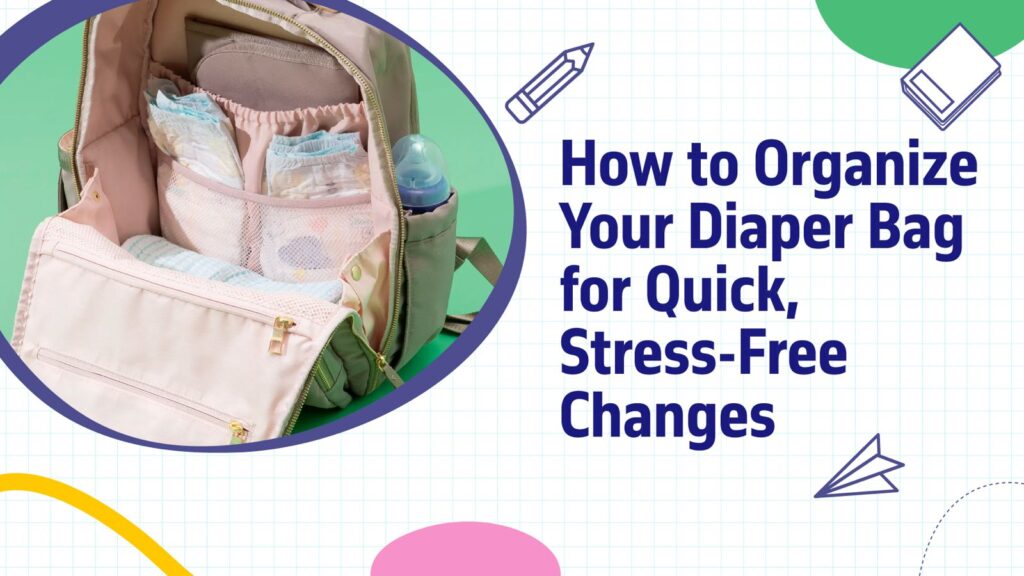
- A “changing kit” zip pouch for all diapering items
- A “feeding pouch” for bottles, snacks, and bibs
- A mini health pouch for medicine, sanitizer, and tiny first-aid tools
Use clear pouches so you can identify contents at a glance, or opt for color-coded bags (e.g., blue for feeding, green for changing). Many modern Diaper Bags come with removable inserts or labeled pockets—take full advantage.
Pack most-used items near the top or exterior pockets for fast access: wipes, diapers, or pacifiers. Less frequent items like clothing or backup gear can go toward the bottom or back.
Packing cubes and mini organizers are also great for separating items within large bags, especially if you share baby care duties with another caregiver. Labeling helps keep things consistent across hands, households, or sitters.
Tips for Packing Based on Duration & Setting
Your diaper bag doesn’t need to be packed to the brim for every outing. What you include should vary based on where you’re going and how long you’ll be out. Here’s how to adjust efficiently:
Short Outings (1–2 hours):
- 2–3 diapers
- Travel wipes
- A small toy or pacifier
- 1 bottle or snack
- Changing pad
Day Trips (3–6 hours):
- 4–6 diapers
- Full wipe pack
- Extra change of clothes
- 2 bottles or snacks
- Blanket or swaddle
- Mini first aid kit
Overnight Stays:
- Full restock of diapering and feeding kits
- Pajamas and weather-appropriate layers
- Medications, thermometer
- More toys or comfort items
Adapt for weather: Hot day? Add sunscreen, hat, and extra fluids. Cold? Add mittens and a thicker blanket. Rainy day? Stash a rain cover or extra ziplock bags.
To avoid overpacking, use a rule of thumb: if you didn’t use it in the last three outings, leave it out unless it’s safety-related.
Restocking & Rotation Routine
Even the best-packed diaper bag can become a mess if not maintained. A consistent routine ensures you’re never caught off-guard.
After each outing, do a quick inventory:
- Refill used diapers or wipes
- Replace dirty clothes with clean ones
- Check snacks or formula for freshness
Weekly reset:
- Empty the whole bag
- Wipe it down inside and out
- Restock using your core diaper bag checklist
- Swap out seasonal items (e.g., light blanket for a heavier one)
Size and age rotation is also key: babies grow fast, so update the extra clothes and diapers monthly.
Print or keep a digital checklist handy, especially if multiple caregivers use the bag. A simple laminated card can make transitions smoother.
Top Diaper Bag Hacks from Real Parents
Parents are resourceful—and these diaper bag hacks prove it. Use them to save time, space, and sanity:
- Pre-portion snacks and formula into travel containers to avoid carrying full boxes.
- Use a changing pad that doubles as a clutch, holding diapers and wipes for quick access in a pinch.
- Always pack a wet bag: perfect for containing blowout clothes, wet bibs, or soiled burp cloths.
- Create an emergency ziplock pouch: include a pacifier, travel tissues, band-aid, and $5 in cash—just in case.
- Choose multi-use items: a muslin swaddle can serve as a nursing cover, burp cloth, blanket, or sunshade.
Pro tip: Revisit these hacks every few months. As your baby’s needs evolve, so should your packing strategy.
Dondo’s Favorite Picks: Best Diaper Bags in 2025
Choosing the right diaper bag is half the battle—so we’ve done the legwork for you. Dondo’s 2025 picks combine form, function, and stress-free diaper bag organization.
A. Bag Nation Diaper Bag Backpack
- Style: Backpack
- Organization Features: 14 pockets, insulated bottle holder, wipe dispenser pocket, stroller straps
- Pros: Durable, highly compartmentalized, padded straps
- Cons: Bulky for minimalist parents
- Best For: Daily use, multiple kids, long outings
B. Skip Hop Forma Diaper Bag
- Style: Lightweight backpack
- Organization Features: Multi-purpose packing cubes, extra-wide opening, tech pocket
- Pros: Lightweight, stylish, great internal structure
- Cons: Smaller capacity than others
- Best For: City moms and minimalists
C. JuJuBe B.F.F. Convertible Diaper Bag
- Style: Backpack/tote/shoulder bag convertible
- Organization Features: Memory foam changing pad, crumb drains, multiple zip pockets
- Pros: Machine washable, antimicrobial lining
- Cons: Premium price point
- Best For: Fashion-conscious parents who value function
D. Itzy Ritzy Boss Diaper Bag
- Style: Structured backpack
- Organization Features: 17 pockets (10 internal, 7 external), rubber feet for standing upright
- Pros: Highly stylish, travel-friendly, comfortable wear
- Cons: Heavier build
- Best For: Stylish on-the-go parents or travelers
E. Mokaloo Diaper Bag Backpack with USB Port
- Style: Backpack
- Organization Features: Built-in USB charging port, anti-theft pocket, insulated bottle holders
- Pros: Affordable, tech-friendly
- Cons: Fewer parent-specific pockets
- Best For: Budget-conscious tech-loving parents
Maintaining Your Organized Diaper Bag Long-Term
An organized diaper bag isn’t a one-and-done achievement—it’s a habit. Here’s how to keep yours efficient for the long haul:
- Create a weekly review ritual—15 minutes every Sunday to wipe down and reset.
- Delegate restocking to partners or caregivers using your visual diaper bag checklist.
- Involve older siblings: Let them help refill snacks or pack toys.
- Update seasonally: Switch out clothes, medications, and accessories for climate-appropriate needs.
With time, this process becomes second nature—making every outing calmer, faster, and more enjoyable for the entire family.
Conclusion
An organized diaper bag is the secret weapon of calm, confident parenting. With the right bag, a streamlined packing method, and a few smart hacks, you can transform your daily routine from chaotic to composed.
By treating packing as a skill—one that evolves with your baby—you’re not just managing stuff. You’re mastering mobility, independence, and comfort for you and your child.
For printable checklists, real-parent hacks, and updated Diaper Bags reviews, check out Dondo’s full guide to diapering on the go.
FAQs
How many diapers should I pack per outing?
Plan for 1 diaper per hour you’ll be out, plus one or two extras—especially for newborns.
What should go in a diaper bag for newborns?
More diapers (6–8), at least two changes of clothes, burp cloths, a water bottle for infants, and possibly nursing pads or formula storage.
Can I use a regular backpack as a diaper bag?
Yes, if it has enough compartments and is easy to access. But diaper-specific bags often have better features like wipe holders and changing pads.
How often should I clean out the diaper bag?
Wipe it down weekly and do a full refresh every 1–2 weeks.
What’s the lightest way to pack a diaper bag for air travel?
Stick to essentials: diapers, wipes, bottle/snack, a small toy, changing pad, and a spare outfit. Use travel-size containers and compress soft items.
Check out other posts on diaper bags for babies, feeding chairs for infants and water bottle for infants.